
Evidence suggests that hard liquor and beer do little to reduce eye issues. In fact, the drinks seemed to lessen any positive associations when participants regularly consumed them with wine. A five-year study compared regular consumers of alcohol, light drinkers, former drinkers, and lifetime abstainers. Moderate drinkers of red wine seemed to have a decreased risk of cataract formation and age-related macular degeneration.
Eyes and Alcohol: The Effects of Drinking
Both double vision and blurred vision significantly increase the risk of accidents and injuries. At this level of drunkenness, it’s hazardous to drive, walk down stairs, or perform any task that requires visual precision. Possible treatments include corrective lenses or glasses to correct blurred or distorted vision and use of eye drops to address bloodshot eyes.
- The cerebellum is the brain’s control center for movement, balance, and coordination.
- In conclusion, blurry vision after a night of heavy drinking is typically a temporary symptom that resolves as the body metabolizes the alcohol.
- Symptoms of eye strain can include blurry vision, dry eyes, headaches, and difficulty concentrating.
Can Alcohol Be Good for Your Eyes?
This can also come with eye redness, another side effect of drinking too much. The blood vessels in your eyes expand, becoming more noticeable and also potentially leading to changes in blood pressure or eye pressure. Another method to prevent blurry vision after drinking is to stay properly hydrated. Alcohol is a diuretic, meaning it promotes fluid loss and can cause dehydration. Dehydration can have several negative effects on the body, including dry eyes and blurry vision.
Reduced Visual Acuity
Dry eyes can cause the cornea to become irritated and inflamed, resulting in blurred vision. To mitigate the impact of dehydration on visual acuity, it is crucial to stay adequately hydrated by drinking enough fluids throughout the day. The recommended daily intake of fluids is around 8 cups for women and 10 cups for men. However, individual needs may vary depending on factors such as activity level, weather conditions, and overall health. It is also essential to avoid excessive caffeine and alcohol consumption, as these can contribute to dehydration. A person who experiences vision what is Oxford House issues should see an ophthalmologist—a doctor specializing in eye care.
Alcohol consumption – new national guidelines
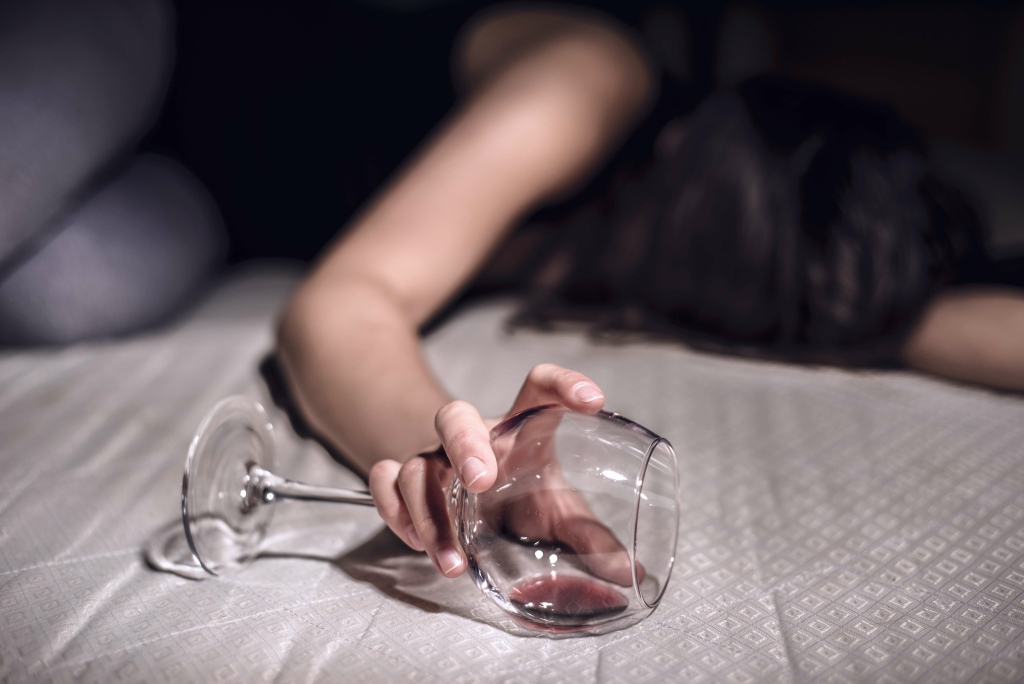
Alcoholic beverages such as beer, wine, and distilled spirits contain ethyl alcohol or ethanol. Though rare, deceitful alcohol makers can use methanol in place of alcohol as they physically appear similar. However, a small amount of methanol consumption can lead to permanent vision loss if diagnosed late. At 0.20% and above, individuals are severely intoxicated and may experience loss of consciousness. In extreme cases, some slip into a coma and even die due to respiratory failure.
You don’t have to give up alcohol entirely to prevent these negative vision-related side effects. As we mentioned before, drinking occasionally is not likely to cause any damage to your eyesight. As for the relation between intake of alcohol and eye twitching, there are a few ways alcohol consumption might indirectly impact the intensity of the spasms. Excessive drinking leads to sleep disturbances, dehydration, blurry vision after drinking alcohol stress, anxiety, and eye strain. All these are factors that easily can trigger or make eyelid twitching worse.

- This is due to a combination of factors, including weakened eye muscle coordination, slowed reaction of the pupil, and impaired brain function.
- AMD, for example, affects the central part of the retina, which is responsible for providing clear, sharp vision.
- In this article, we will explore why vodka specifically causes blurry vision and explain the scientific reasons behind this phenomenon.
- One of the areas most affected by alcohol is the optic nerve, which is responsible for transmitting visual information from the eyes to the brain.
- While blurry vision can occur with any type of alcohol, there are certain beverages that may be more likely to cause this symptom when consumed excessively.
Additionally, dehydration can also cause a decrease in tear production, leading to dry eyes and further exacerbating the problem. When you consume alcohol, the effects of alcohol on the hippocampus make the formation of long-term memories less likely. Consistent eye care is crucial for anyone with a history of heavy drinking.
As the body rehydrates, the cornea becomes more hydrated, leading to a smoother surface and improved vision. Additionally, increased water intake can stimulate tear production, ensuring the eyes remain adequately lubricated and eliminating any discomfort or blurriness. When a person consumes alcohol, the brain relaxes its control over eye muscle coordination, and vision problems can become apparent. This can result in double vision or diplopia, where the eyes struggle to work together properly under the influence of alcohol. Alcohol can also cause involuntary eye movements, or nystagmus, leading to distorted or shaky vision. These effects are typically temporary and subside once the alcohol has left the person’s system.